Guide in progress · researched outline
Best Fertilizer for Florida Fruit Trees
A buying guide to fruit-tree fertilizer choices for Florida sand, where nutrients leach quickly and micronutrient deficiencies are common.
Quick facts
- Difficulty
- Beginner friendly
- Soil preference
- Guidance written for sandy Florida soils
- Sun requirement
- Not applicable
- Container friendly
- Yes, with container specific products
- Best Florida regions
- Statewide
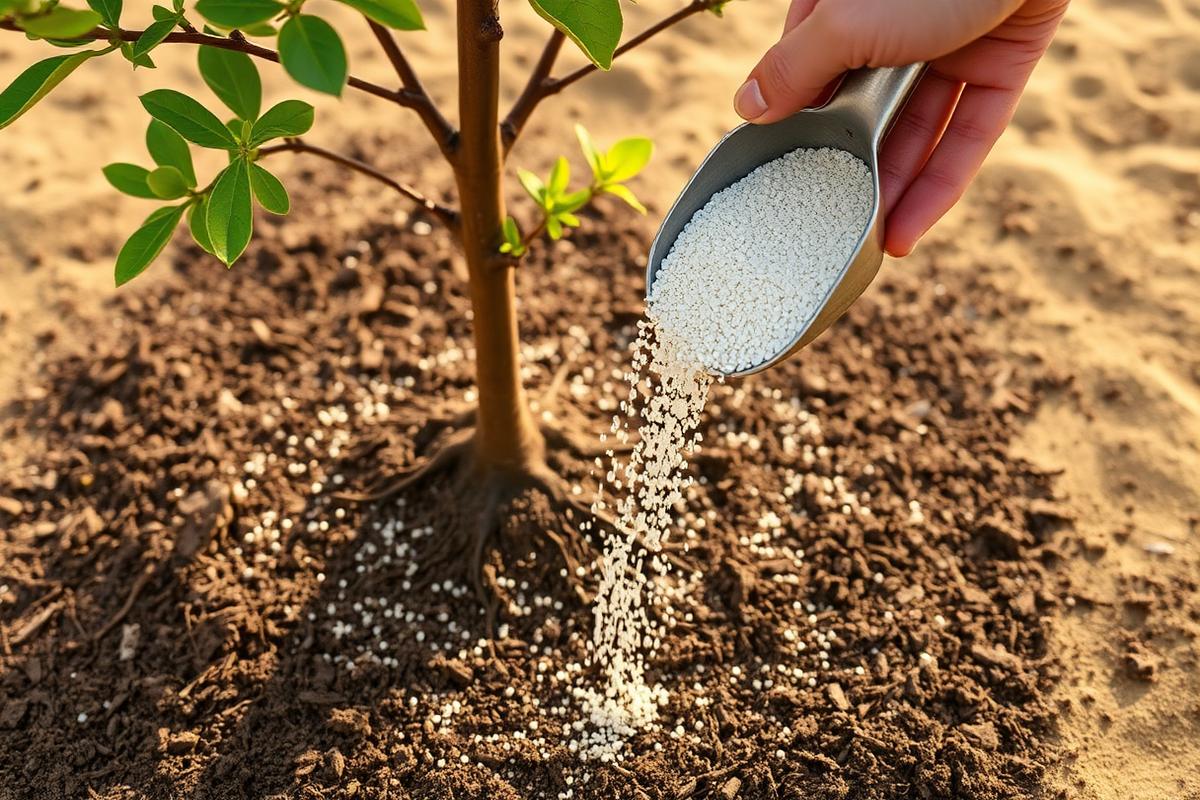
Fertilizer questions come up constantly in Florida because sandy soil holds very few nutrients. Water moves through it quickly, and dissolved nutrients move with it. That is why slow release products and micronutrient content get so much attention here.
Many Florida counties and cities restrict fertilizer application during the summer rainy season to protect water quality. Check your local ordinance before applying, because the rules differ by location.
This buying guide is being written to compare fertilizer types by the job they do. The planned structure is listed below.
What this guide will cover
This guide is in progress. The full version will cover these sections in detail.
- 1.Why Florida sandy soil changes fertilizer choice
- 2.Understanding the N-P-K label
- 3.Slow release versus quick release
- 4.Micronutrients and why deficiencies show up in Florida
- 5.Fertilizer for citrus versus tropical fruit versus deciduous fruit
- 6.Container growing needs
- 7.Timing and local rainy season ordinances
- 8.Application basics
- 9.Product types to consider
- 10.Frequently asked questions
Recommended supplies
These are the categories of gear this guide refers to. Links may be affiliate links.
- Link pending
Slow release citrus and fruit tree fertilizer with micronutrients
Slow release products reduce how quickly nutrients leach through sandy soil.
Best for: In ground fruit treesAmazon - Link pending
Controlled release container fertilizer
Container media loses nutrients quickly with frequent watering.
Best for: Containers and grow bagsAmazon - Link pending
Chelated micronutrient supplement
Used where a specific micronutrient deficiency has been identified.
Best for: Correcting deficienciesAmazon - Link pending
Soil test kit
Testing before feeding avoids guesswork.
Best for: DiagnosisAmazon
Prices and availability may change. Check the retailer for current information.
Frequently asked questions
- Why do Florida fruit trees often show yellowing leaves?
- Nutrient deficiencies, including micronutrient deficiencies, are commonly discussed causes in sandy Florida soils, though yellowing can have several causes. Local extension guidance is the best way to confirm a diagnosis.
- Is citrus fertilizer suitable for other fruit trees?
- Products labelled for citrus are often used more broadly in Florida because of their micronutrient content, but you should follow the label directions for the plants listed.
- Are there restrictions on when I can fertilize?
- Yes, many Florida local governments restrict fertilizer use during the summer rainy season. Requirements vary, so check your county or city rules.
Sources
About Florida Backyard Harvest Editors
Editorial team
Florida Backyard Harvest is written and maintained by its owner and editors. Guides are based on published horticultural references, university extension material, and clearly labelled first-hand observations. Where a guide has not been personally tested, it is presented as researched information only.
Tagged
Keep reading
How to Grow Fig Trees in Central Florida
Figs are one of the easier fruit trees for Central Florida yards, but variety choice, soil preparation and rainy-season care make the difference between a healthy tree and a struggling one.
Best Mango Varieties for Central Florida Backyards
Mango can succeed north of its comfort zone, but in Central Florida the variety, planting site and cold protection plan matter more than anywhere else in the state.
How to Grow Bananas in Central Florida
Bananas grow quickly in Florida heat and humidity, but wind, cold snaps and heavy feeding requirements decide whether a clump actually produces fruit.