Guide in progress · researched outline
How to Grow Fig Trees in Central Florida
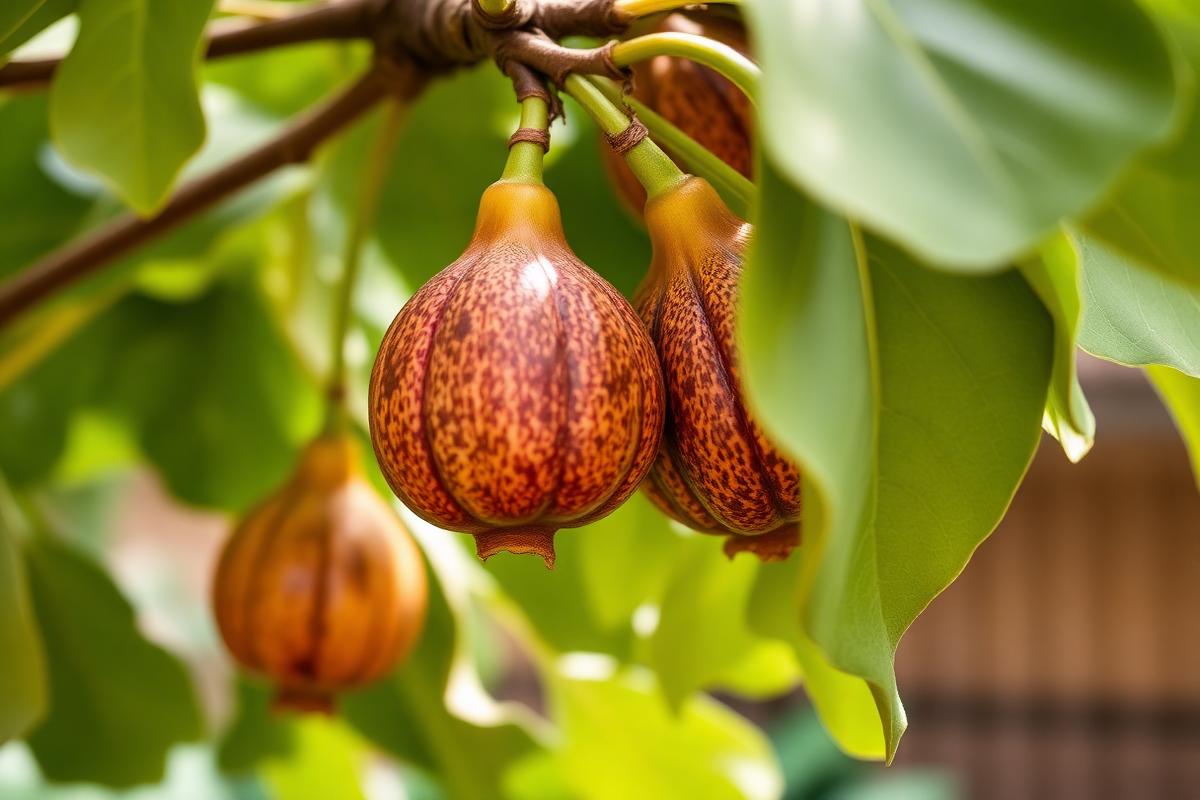
Figs are one of the easier fruit trees for Central Florida yards, but variety choice, soil preparation and rainy-season care make the difference between a healthy tree and a struggling one.
Quick facts
- Difficulty
- Beginner friendly
- USDA zones
- 8b to 9b
- Mature size
- Commonly kept 10 to 15 feet with pruning
- Water needs
- Consistent moisture, especially in containers
- Time to fruit
- Often within a few seasons of planting
- Frost tolerance
- Tolerates typical Central Florida winter cold once established
- Soil preference
- Well drained, amended sandy soil
- Sun requirement
- Full sun, at least six hours
- Container friendly
- Yes, in a large container
- Best Florida regions
- North and Central Florida
Figs are often recommended for Central Florida because they tolerate heat, need very little winter chill, and can be grown either in the ground or in a large container. The main challenges here are not cold but sandy soil that drains and dries quickly, high summer humidity that encourages leaf and fruit problems, and heavy rainy-season moisture at the exact time fruit is ripening.
Sandy soil holds little water and few nutrients, afternoon storms raise humidity around the canopy, and root-knot nematodes are common in Florida sand. Each of these shapes how a fig is planted and maintained here.
This guide is being written as a complete Central Florida fig reference. The planned structure is listed below.
What this guide will cover
This guide is in progress. The full version will cover these sections in detail.
- 1.Can figs grow in Central Florida?
- 2.Best fig varieties for Central Florida
- 3.Sun and location
- 4.Soil preparation for sandy Florida soil
- 5.Planting instructions
- 6.Growing figs in containers
- 7.Watering through the wet and dry seasons
- 8.Fertilizing
- 9.Pruning
- 10.Pests and diseases, including nematodes and rust
- 11.Cold protection
- 12.Harvesting
- 13.Recommended supplies
- 14.Frequently asked questions
Recommended supplies
These are the categories of gear this guide refers to. Links may be affiliate links.
- Link pending
Large fabric grow bag or 20 gallon container
For growing a fig where native soil drains too fast or space is limited.
Best for: Container growingAmazon - Link pending
Bypass hand pruners
Clean cuts for annual fig pruning and removing damaged wood.
Best for: PruningAmazon - Link pending
Soil moisture meter
Helps judge watering in fast-draining sandy soil instead of guessing.
Best for: WateringAmazon
Prices and availability may change. Check the retailer for current information.
Frequently asked questions
- Do fig trees need winter chill to fruit in Florida?
- Common fig varieties grown in the Southeast have low chill requirements, which is why they fruit in Central Florida where high-chill fruit trees usually do not.
- Are figs a good choice for containers in Florida?
- Figs adapt well to large containers, and container growing also lets you control soil and drainage, which is useful where native soil is very sandy.
- Why do figs split or sour in Florida summers?
- Heavy rain during ripening is a common cause of splitting and souring in humid climates. Variety choice and harvest timing are usually discussed as the main management tools.
Sources
About Florida Backyard Harvest Editors
Editorial team
Florida Backyard Harvest is written and maintained by its owner and editors. Guides are based on published horticultural references, university extension material, and clearly labelled first-hand observations. Where a guide has not been personally tested, it is presented as researched information only.
Tagged
Keep reading
Growing Loquats in Florida: The Underrated Backyard Tree
Loquats are widely planted across Florida as ornamentals, yet many homeowners never realise the fruit is worth harvesting.
Best Mango Varieties for Central Florida Backyards
Mango can succeed north of its comfort zone, but in Central Florida the variety, planting site and cold protection plan matter more than anywhere else in the state.
How to Grow Bananas in Central Florida
Bananas grow quickly in Florida heat and humidity, but wind, cold snaps and heavy feeding requirements decide whether a clump actually produces fruit.